

Do I need Personal Tax Advice?

Do I need Personal Tax Advice?

Do I need Personal Tax Advice?

When it comes to tax, the rules and regulations change all the time. So, it can be hard to know whether you are still compliant with the latest relevant laws and regulations. This is where personal tax advice can be incredibly helpful. That’s why, in this post, we figured we should detail the many ways it can be beneficial.


Personal tax advice is tailored to you…

First, it’s important to understand that everyone’s tax situation is unique. There are many different types of taxes, exemptions, and deductions. So, understandably, it can be difficult to navigate them all on your own. A specialist can help you to understand the specific rules and regulations that apply to your situation. They can guide you on how to take full advantage of all available tax-saving opportunities.


Appreciating the changeable tax legislation landscape

As we alluded to above, tax laws and regulations are subject to change. In fact, they do it all the time, making it the devil’s own work to keep track of. But, this is a personal tax adviser’s bread and butter. They live and breathe tax! So, they will revel in knowing each and every change, making them best placed to keep you informed about any new laws or regulations that could affect your tax situation.


Benefits from personal tax advice if you are self-employed or a business owner

Personal tax advice can also be particularly beneficial if you are self-employed or a business owner. This is because, more often than not, you may have additional tax obligations and responsibilities. As a result, expert advice can come into its own in helping you understand and comply with these requirements. They can also assist you in identifying tax-efficient ways to structure your business. For example, they can help advise about incorporating or setting up a limited company, which can help to minimise your tax liability.


Avoiding penalties and fines

Lastly, personal tax advice can help you to avoid penalties and fines. If you make a mistake on your tax return or fail to comply with relevant laws and regulations, you may be subject to penalties and fines. So, seeking specialist help can ensure you avoid mistakes and remain fully compliant with all relevant laws and regulations.

In conclusion, personal tax advice can be incredibly beneficial for managing your finances and paying taxes in the UK. It can help you to understand the specific rules and regulations that apply to your situation, stay up-to-date with changes in tax laws and regulations, comply with additional tax obligations and responsibilities if you are self-employed or a business owner, and avoid penalties and fines. If you’re unsure about your tax situation or want to minimise your tax liability, it’s worth considering seeking personal tax advice.

We can help you there! Our in-house team of tax-planning specialists can help ensure you’re taking full advantage of the breaks and allowances available to you. And, they can give you the peace of mind to know your affairs are in line with current legislation.


So, if you’d like to alleviate some worry, please do call our tax team today on 01243 782423. Alternatively, you can email us from our contact page and someone will be in touch!

We also update our YouTube Channel regularly with new content, see here: Lewis Brownlee YouTube channel

How can I reduce my Inheritance Tax Liability?

How can I reduce my Inheritance Tax Liability?

How can I reduce my Inheritance Tax Liability?

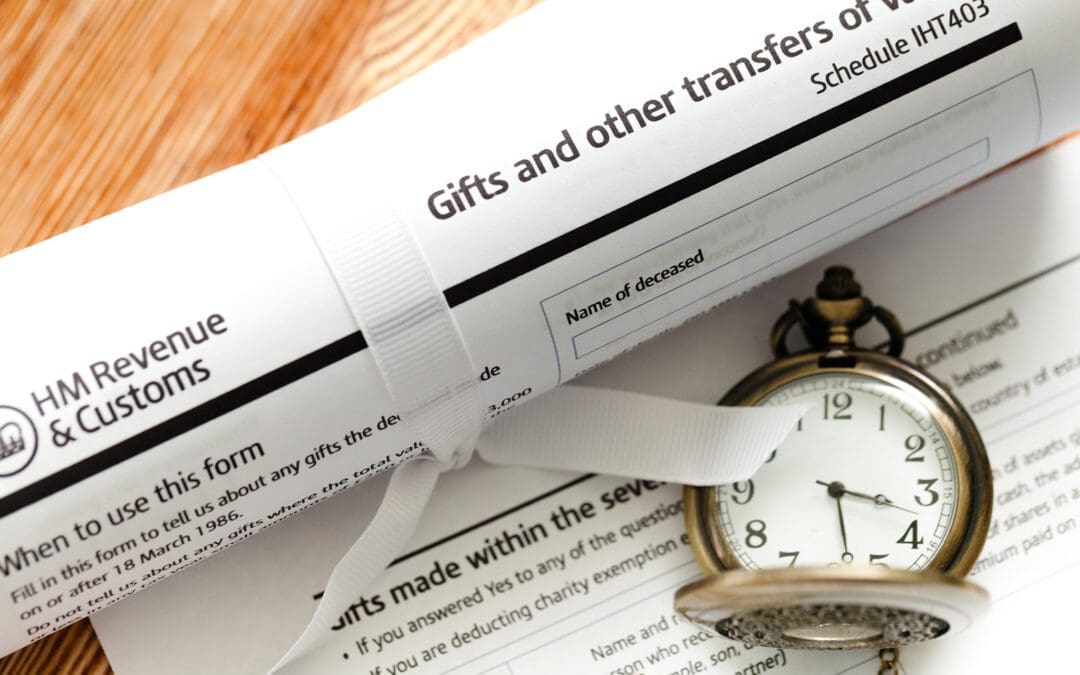
Inheritance tax (IHT) can be a significant expense for many families when a loved one passes away. However, there are ways to mitigate exposure to IHT liabilities and ensure that your assets are passed on to your loved ones in the most tax-efficient way possible.


Reducing your inheritance tax liability by gifting

One way to reduce your IHT liability is to make gifts to your loved ones while you are still alive. Under UK law, you can make gifts up to £3,000 per year and these gifts will be exempt from IHT. Additionally, you can make gifts of up to £250 per person per tax year without any IHT implications. If you’re married or in a civil partnership, you and your partner can both use these exemptions. Naturally, these can add up to a significant amount over time.

You can also gift amounts in excess of the allowances. Such gifts to individuals are known as Potentially Exempt Transfers. Essentially the gift remains in limbo for 7 years. It escapes IHT should the donor survive for 7 years.

You can also make tax exempt gifts from surplus income. These are exempt as long as a regular gifting pattern is established and it can be proved the gift is from income that is surplus to the donor’s requirements.

Tax efficient investments

There are tax incentives and reliefs that provide relief from IHT charges. These typically exist for investments in enterprise, but also for assets used for agricultural purposes and commercial woodland.


Bringing your liability down using the Residence Nil-Rate Band

Another way to reduce your IHT liability is to ensure you qualify for the residence nil-rate band (RNRB). This requires a property that was the person’s home (or the proceeds from its sale) to be inherited by a lineal descendant. Eligibility is also lost when the value of an estate exceeds £2m. However surplus assets can be given away immediately prior to death to secure eligibility for the relief.


Making use of trusts

You can also reduce your Inheritance tax liability by making use of trusts. There are several different types of trusts, each with their own advantages and disadvantages. However, generally speaking, trusts can be used to protect assets from Inheritance tax, and can also be used to provide for loved ones who may be unable to manage their own finances.


Knowing good house-keeping is key to reducing your inheritance tax liability

No, we don’t mean busting out the polish and duster and giving the house a spring clean. We are, of course, talking about keeping your metaphorical financial house in good order. How so? Well, one good example is that of your Will. Is the current version up to date? It’s important review and update such documents on a regular basis. This will help to ensure that your assets are distributed in the way that you intend, and can also help to minimise the inheritance tax liability your loved ones pay.

Spend your money!

Perhaps a simple but often overlooked strategy is its yours, so enjoy it! Determine what you need to get by, seek financial advice if appropriate and enjoy the rest.

By mindful of other consequences

Other taxes can be incurred when assets such as property are given away, and there are anti-avoidance rules to be mindful of.


Remembering it’s always ok to ask for help (and even more so, if you’re asking us!)

Finally, it’s always recommended to seek professional advice. IHT planning experts will be able to advise you on the most tax-efficient way to structure your assets and ensure that your loved ones are provided for in the best way possible. So, remember that planning ahead is key when it comes to reducing your IHT liability. And, acting sooner rather than later is something your loved ones will thank you for.


Call us today on 01243 782423 if you would like to speak to one of our reputable tax planning experts. Alternatively, you are welcome to email us from our contact page – and someone will be in touch! We’re always happy to talk people through and to get them on the right track. So, what are you waiting for?!

We also update our YouTube Channel regularly with new content, see here: Lewis Brownlee YouTube channel

Are Dividends more Tax Efficient than Salaries?

Are Dividends more Tax Efficient than Salaries?

Are Dividends more Tax Efficient than Salaries?

Running your own business can be a rewarding experience but it also comes with a unique set of financial considerations. One of these is how to structure your income in the most tax-efficient way. It’s unsurprising that one of the most often asked questions we hear is ‘are dividends more tax efficient than salaries?’ We’ve taken the ‘bull by the horns’ and asked our in-house tax specialists whether this strategy really is more tax-efficient? Here’s what they said!


Establishing the difference is key to the answer!

When it comes to answering ‘are dividends more tax efficient than salaries,’ it’s not a straightforward ‘yes’ or ‘no’ answer. It depends entirely on your unique circumstances and goals.

One of the first things to ask yourself when considering this, is do you actually know the difference? Indeed, the difference between ‘dividends’ and ‘salaries,’ is obvious, right?

As is often the case, the more you think about it the boundaries become blurred. So, we find it useful to think about them as follows:

A salary is considered ‘earned income’ and is subject to income tax and National Insurance contributions (‘NIC’).

Dividends, on the other hand, are considered ‘investment income’ and are subject to different tax rates.


Considering the dividend allowance also informs the answer

The dividend allowance for the 2022-2023 tax year is £2,000. This means that dividends received up to this amount are tax-free. Dividends received above the allowance are subject to tax at 8.75% for Basic Rate Taxpayers (‘BRT’), 33.75% for Higher Rate Taxpayers (‘HRT’), and 39.35% for Additional Rate Taxpayers (‘ART’).

In comparison, a salary is subject to income tax at 20% for BRT, 40% for HRT and 45% for ART, depending on the amount earned. Additionally, NICs are applied to salary income at rates of 12% and 2% (rates increased temporarily to 13.25% and 3.25% respectively between 6th April 2022 to 5th November 2022).

So, on the surface, it might appear that dividends are more tax-efficient than a salary. However, there are a few factors to consider before making this decision.


What else to consider when asking are dividends more tax efficient than salaries?

One important factor is that dividends can only be paid out of profits! So, if your business is not making a profit, you will not be able to pay yourself dividends. You could, however, still pay a salary.

Another consideration is that taking a salary can also help you build up your national insurance record. This is important for claiming certain state benefits in the future, as paying yourself dividends does not automatically contribute towards these benefits.


The low down – are dividends more tax efficient than salaries?

In short, while dividends may be more tax-efficient than a salary in certain circumstances, it is important to weigh all the factors in the round.

The rules and regulations surrounding tax are somewhat ‘shifting sands,’ so it is always wise to seek professional advice from an accountant or tax advisor. They will help you to find the most tax-efficient way to structure your income and ensure that you remain compliant with all the regulations.


As always, if you would like to speak to one of our expert tax-advisers, please do call us on 01243 782423. Alternatively, you can email us from our contact page and someone will be in touch!

We also update our YouTube Channel regularly with new content, see here: Lewis Brownlee YouTube channel

What are the three basic Tax Planning strategies?

What are the three basic Tax Planning strategies?

What are the three basic Tax Planning strategies?

Tax planning is an essential aspect of managing your finances. It’s responsible for ensuring that you are paying the correct amount of tax on your income and assets. But, everyone wants to know how they can best minimise the amount of tax they are paying. The good news is that there are several legal strategies you can use to do this. So, we’re taking a look at the three basic tax planning strategies that can help you minimise your tax liability and make the most of your money.


The three basic tax planning strategies – Strategy 1:

The first strategy is to take advantage of tax-efficient investments and savings plans. This can include things like ISAs (Individual Savings Accounts) and pensions, which are tax-free and can help you to save for the future while also reducing your tax bill. Additionally, there are various tax reliefs and exemptions available for business owners and entrepreneurs, such as Research and Development tax credits and Capital Allowances. By investing in these tax-efficient options, you can minimise your tax liability and make the most of your money.

You can also subscribe for shares in EIS, SEIS and VCT investments to gain tax relief at very generous rates.


The three basic tax planning strategies – Strategy 2:

The second strategy is to make use of tax deductions and credits available to you. These include things like charitable donations, work-related expenses and the use of home allowance.

By claiming these deductions and credits, you can reduce your taxable income and therefore lower your overall tax bill. It’s important to keep accurate records and receipts throughout the year, as these will be necessary when preparing your tax return.


The three basic tax planning strategies – Strategy 3:

The third strategy is to consider tax-efficient ways to structure your income and assets. For example, if you are self-employed or a business owner, you may want to consider incorporating your business in order to take advantage of the lower corporate tax rates. Additionally, you may want to consider holding certain assets in a trust or a company to take advantage of the different tax rules that apply to these structures.

Have you checked whether your assets are held in the most tax efficient way between you and your spouse? This can be a very advantageous way of saving tax between the two of you.

By structuring your income and assets in a tax-efficient way, you can minimise your tax liability and make the most of your money.


In short…

Tax planning is an essential aspect of managing your finances. By taking advantage of tax-efficient investments and savings plans, making use of tax deductions and credits, and structuring your income and assets in a tax-efficient way, you can minimise your tax liability and make the most of your money. It’s important to stay up-to-date with tax laws and regulations and review your tax situation regularly. With the right approach, you can effectively plan your taxes and avoid any penalties or fines.

Here at Lewis Brownlee, we have a team of expert tax planners. So, if you would like some help to get your affairs sorted, safe in the knowledge that they are both tax efficient and tax effective, while remaining compliant with the law, please do give us a call.


You can reach us on 01243 782423 – or alternatively email us from our contact page. We’re always glad to see how we can help!

We also update our YouTube Channel regularly with new content, see here: Lewis Brownlee YouTube channel

The Basics of Tax Planning

The Basics of Tax Planning

The Basics of Tax Planning

No one likes paying tax. But, sadly, it’s one of those facts of life that we all have to pay it at some time or other. We know from experience though that it can be a daunting topic to get to grips with. So, we’ve asked our trusty tax specialists to jot down the basics of tax planning in some easily-manageable, bite-sized points. Enjoy!


The basics of tax planning – the low down

In a nutshell, tax planning is an important aspect of managing your finances. It basically ensures that you are paying the leastcorrect amount of tax on your income and assets, as required by law. In the UK, there are several key things that you need to know to effectively plan them – and failure to do so will result in penalties or fines.

First and foremost, when considering the basics of tax planning, it is important to understand the different types of taxes that you may be liable for in the UK. These include income tax, corporation tax, capital gains tax, inheritance tax, and VAT, among others. Each of these taxes has different rules and exemptions. So, it is important to understand how they apply to your specific situation.


The Tax Year

Another important aspect of tax planning in the UK is understanding the tax year. The tax year runs from April 6th to April 5th of the following year. During this time you should will need to file your tax return and pay any taxes owed. It is important to keep accurate records and receipts throughout the year, as these will be necessary when preparing your tax return, which (if required) then has to be submitted by 31st January.


Minimising your Tax Liability

This brings us on to the ultimate basics of tax planning – namely why is it of importance to you. Well, as we alluded to above, no one likes paying tax. So, most people will want to find out the most effective ways to minimise their tax liability. This is where tax planning comes into its own – and why we love it so much at Lewis Brownlee.

Tax planning allows us to take advantage of various tax allowances, reliefs as well as tax-efficient investments and savings plans. Tactics we employ include considering remuneration strategies, pensions, trusts, varying asset ownership as well as claiming bespoke reliefs for research and development projects and capital expenditure.

 
Tax laws and Regulations

The basics of tax planning also covers keeping in mind the changes in tax laws and regulations. Tax laws and regulations are subject to change, so it is essential to stay up-to-date with the latest developments. This can be done by regularly checking government websites, consulting with a tax professional, or subscribing to tax newsletters. Equally, it can be done by having professionals (like us) ensure it’s all factored in for you!


It’s an ongoing process – year in, year out!

Finally, it’s important to remember that tax planning is an ongoing process. It’s not a one-time event, much to the disappointment of many people. It’s important to review your tax situation regularly and make adjustments as needed. That ways you can ensure that you are paying the correct amount of tax and taking full advantage of all available tax-saving opportunities.

So, there we have it, the basics of tax planning! Remember, tax can be a complicated area but there is no reason you can’t understand it. Our tax specialists can take all of the hassle out of tax planning by doing it for you. But, they are also experts in explaining the complications in clear and manageable ways . So, whatever your level of tax planning understanding, we have an offering to suit everyone’s need.

Please do get in touch to see how we can help on 01243 782 423, or email us from our contact page and someone will be in touch!

We also update our YouTube Channel regularly with new content, see here: Lewis Brownlee YouTube channel

Capital Gains Tax Annual Exemption

Capital Gains Tax Annual Exemption

Capital Gains Tax Annual Exemption

The annual exemption for capital gains tax purposes has been changed with effect from the 2023-24 tax year.

The new annual exempt amount for individuals for the 2023-24 is £6,000 which is less than half of the previous amount. This is being further reduced to £3,000 for the 2024-25 tax year.

This new change has also affected trusts with the trust annual exemption falling to £3,000 for the 23-24 tax year and £1,500 in the 2024-25 tax year.

If you are planning on selling assets (like shares) in the future and were expecting to use the annual exemption it may now be worth looking to sell before the end of this tax year.

If you have any questions on Capital Gains Tax or any of the subjects discussed, then please get in touch! You can call on 01243 782 423 or head to our contact form.

We also update our YouTube Channel regularly with new content, see here: Lewis Brownlee YouTube channel